
Professional Wheel Alignment Service
A professional wheel alignment helps your vehicle track straight, steer properly, and wear its tires more evenly. Brown Service Center provides precise wheel alignment service for drivers experiencing pulling, uneven tread wear, steering issues, or changes in vehicle handling.
What Does a Wheel Alignment Do?
A wheel alignment adjusts specific suspension angles so your tires meet the road at the correct position. Over time, potholes, curb impacts, rough roads, suspension wear, and normal driving can move those angles out of specification.
Brown Service Center checks the vehicle’s alignment measurements and makes the appropriate adjustments based on manufacturer specifications.
A properly aligned vehicle can help:
- Keep the vehicle tracking straight
- Reduce uneven tire wear
- Improve steering response
- Maintain predictable handling
- Protect your tire investment
- Reduce unnecessary stress on suspension components.
The Three Main Wheel Alignment Angles
Wheel alignment primarily involves checking toe, camber, and caster against the vehicle manufacturer’s specifications.
Toe
Toe describes whether the tires point slightly inward or outward when viewed from above. Incorrect toe is a common cause of rapid or feathered tire wear.
Camber
Camber is the inward or outward tilt of the wheel when viewed from the front of the vehicle. Too much positive or negative camber can cause excessive wear along one edge of the tire.
Caster
Caster refers to the forward or backward angle of the steering axis. Proper caster helps support steering stability, straight-line tracking, and the steering wheel’s ability to return toward center after a turn.
Signs Your Vehicle May Need a Wheel Alignment
A vehicle may need a wheel alignment when steering, handling, or tire wear begins to change. Brown Service Center recommends an alignment check if you notice:
- Your vehicle pulls or drifts to one side
- The steering wheel sits off-center while driving straight
- Tires are wearing unevenly
- Tread shows feathering or excessive edge wear
- Steering feels less stable than usual
- Handling changed after hitting a pothole or curb
- New suspension or steering components were installed
- Your vehicle recently had new tires installed
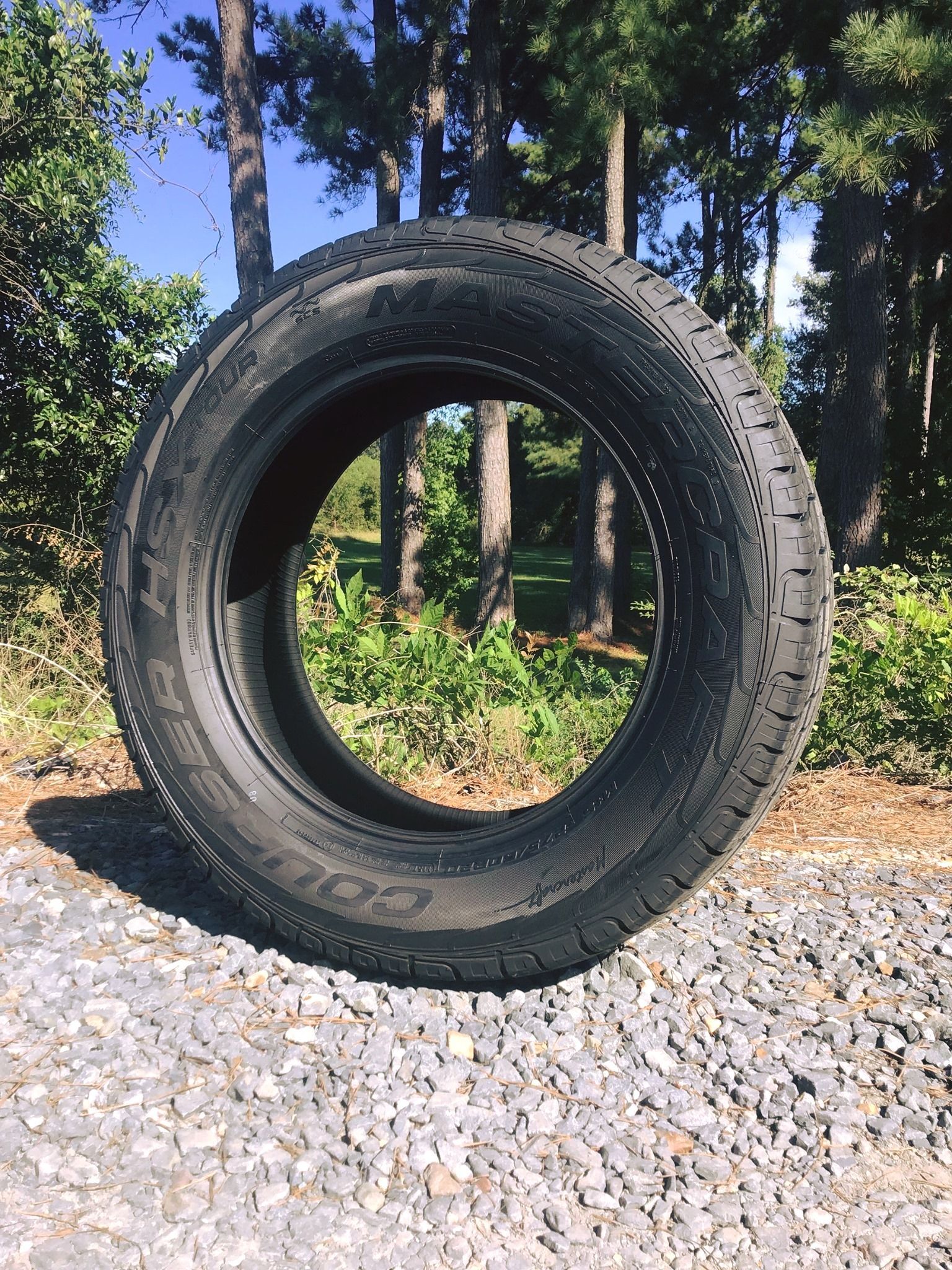
If your tires are worn, damaged, aging, or no longer safe for the road, tire replacement may be the best option. Brown Service Center can help you find quality replacement tires that fit your vehicle, driving needs, and budget.
Tire Replacement
Toyo Tires
Toyo tires are a popular choice for drivers who want dependable handling, strong construction, and options for a variety of driving needs.
How Much Does a Wheel Alignment Cost?
Wheel alignment cost depends on the vehicle, the adjustments required, and whether steering or suspension problems must be corrected first.
Brown Service Center provides pricing based on the specific vehicle and its condition rather than using one price for every alignment.
| Cost Factor | Why It Matters |
|---|---|
| Vehicle type | Different suspension designs require different adjustment procedures |
| Alignment requirements | Some vehicles allow more adjustment points than others |
| Suspension condition | Worn or damaged parts may need repair before accurate alignment is possible |
| Steering components | Excessive looseness or damage can prevent the vehicle from holding proper alignment |
| Previous impacts | Pothole, curb, or collision damage may require additional inspection |
The best way to get an accurate wheel alignment cost is to have Brown Service Center evaluate the vehicle and confirm what is needed.
Our Wheel Alignment Process
Brown Service Center follows a clear process to measure alignment, identify problems, and correct the vehicle according to manufacturer specifications.
01
Check the Vehicle and Tires
Brown Service Center reviews tire condition, visible wear patterns, steering concerns, and other symptoms that may point to an alignment problem.
02
Measure the Alignment Angles
Alignment equipment measures the vehicle’s current toe, camber, caster, and other applicable specifications.
03
Compare Measurements With Specifications
The measurements are compared with the vehicle manufacturer’s specified alignment range to identify which angles need correction.
04
Make the Necessary Adjustments
Adjustable suspension angles are corrected to bring the vehicle back within specification whenever the vehicle’s components allow.
05
Confirm the Final Alignment
Brown Service Center verifies the final measurements and checks that the vehicle is properly aligned before service is completed.
Why an Alignment May Require Suspension Work First
A wheel alignment cannot correct worn, loose, bent, or damaged steering and suspension components.
If components such as tie rods, ball joints, control arms, or other suspension parts have excessive wear, the vehicle may not hold its alignment even after adjustments are made.
Brown Service Center may recommend repairing a worn component before completing the final alignment when necessary. This helps ensure the alignment can be set accurately and reduces the chance of quickly returning to the same steering or tire-wear problem.
If your tires are worn, damaged, aging, or no longer safe for the road, tire replacement may be the best option. Brown Service Center can help you find quality replacement tires that fit your vehicle, driving needs, and budget.
Tire Replacement
Toyo Tires
Toyo tires are a popular choice for drivers who want dependable handling, strong construction, and options for a variety of driving needs.
Wheel Alignment vs. Tire Balancing
Wheel alignment corrects suspension angles, while tire balancing corrects uneven weight distribution in the tire-and-wheel assembly. The two services address different problems:
| Service | What It Corrects | Common Symptoms |
|---|---|---|
| Wheel Alignment | Suspension and wheel angles | Pulling, off-center steering, uneven tire wear |
| Tire Balancing | Uneven tire-and-wheel weight | Vibration that often appears at certain speeds |
A vehicle can need one service without needing the other. Brown Service Center can inspect the symptoms and help determine which service is appropriate.
Frequently Asked Questions
How can I tell if my wheels are out of alignment?
Common signs of wheel misalignment include pulling to one side, an off-center steering wheel, uneven tire wear, feathered tread, and changes in steering stability.
A professional alignment check measures the vehicle’s suspension angles and compares them with manufacturer specifications. Brown Service Center can determine whether alignment adjustments or additional steering and suspension repairs are needed.
Can a pothole knock my vehicle out of alignment?
Yes. A hard pothole impact can change wheel alignment or damage steering and suspension components.
The risk depends on the force of the impact, tire size, suspension design, and road conditions. If the vehicle begins pulling, the steering wheel moves off-center, or tire wear changes after hitting a pothole, Brown Service Center recommends having the alignment checked.
Will a wheel alignment fix steering wheel vibration?
Not always. Steering wheel vibration is commonly associated with tire balance, tire damage, wheel problems, or worn suspension components rather than alignment alone.
Alignment problems are more likely to cause pulling, drifting, an off-center steering wheel, or uneven tire wear. Brown Service Center can inspect the symptoms to determine the appropriate service.
Should I get a wheel alignment after installing new tires?
An alignment check is a smart choice when new tires are installed if the old tires showed uneven wear, the vehicle pulls, or the steering wheel is off-center.
Correcting an existing alignment problem can help prevent the new tires from developing the same uneven wear pattern.
Why does my car keep going out of alignment?
Repeated alignment problems may indicate worn suspension parts, steering looseness, bent components, frequent pothole impacts, or other underlying issues.
An alignment adjustment alone cannot permanently correct a mechanical problem. Brown Service Center can inspect the steering and suspension system to determine why the alignment is not holding.
How long does a wheel alignment take?
A straightforward wheel alignment commonly requires about an hour, but service time can increase if the vehicle needs additional inspection or steering and suspension repairs.
Brown Service Center can provide a more accurate time estimate after reviewing the vehicle and determining whether anything must be repaired before the alignment can be completed.
Schedule Your Wheel Alignment
Proper wheel alignment helps protect your tires, improve steering, and keep your vehicle tracking the way it should.
If your vehicle pulls, the steering wheel is off-center, or your tires are wearing unevenly, schedule a wheel alignment with
Brown Service Center.